Rising Data Center Costs Cap the Cybersecurity Run
TL;DR — Zscaler beat earnings but guided inline while warning about rising hardware costs and sales team turnover. That combination broke the momentum of the entire cybersecurity sector, sending the stock down over 31%. The core question now is whether this is just Zscaler's execution slipping or the first sign that physical server costs are eating into software margins.
The move
Zscaler fell 31.52%, closing at $126.41 after finishing the prior session at $184.60. The drop broke a relentless bid that had pulled the entire cybersecurity group to record highs in recent weeks. Oddly, the primary market feed recorded zero trading volume—a system anomaly we have seen print before—but the brutal downward repricing is very real.
What drove it
The third-quarter print actually looked strong on paper. Revenue grew 25% to $850.5 million. Adjusted earnings beat consensus by 7%. Operating margins hit a record 23%. But markets trade the future, and Zscaler handed investors a trio of problems. First, the company cited rising costs for memory, storage, and processors tied to building out its own data centers. Second, management disclosed turnover in the sales department. Third, forward sales guidance came in flat against expectations. When a stock is priced for perfection, an inline guide coupled with rising capital expenditures—the hard costs of buying servers and physical equipment—is a strict penalty.
The bigger picture
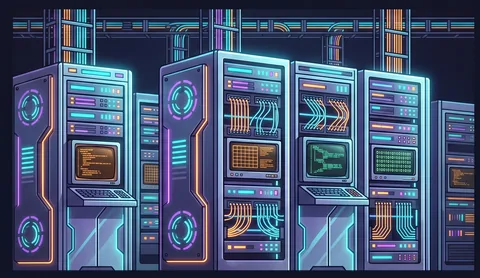
Software companies command market premiums because they are supposed to be asset-light. They write code once and sell it infinitely. But modern cybersecurity breaks that rule. To filter internet traffic and catch threats in real time, security platforms have to operate vast arrays of their own hardware worldwide.
Right now, the silicon cycle is working against them. Memory chips and processors are getting more expensive as the broader technology sector scrambles to secure supply. Zscaler's elevated capital expenditures show that the physical cost of doing business is rising. When you combine higher server costs with an inline sales forecast, the math suggests profit margins are about to compress just as top-line growth slows down. This fear did not just hit Zscaler. The realization rippled outward, pulling down CrowdStrike, Palo Alto Networks, and SentinelOne, punishing a sector where positioning had grown dangerously stretched after weeks of consecutive highs.
Macro overlay
This was a localized software reset, not a broader market panic. The Nasdaq 100 drifted lower by just 0.11%, while the VIX—Wall Street's primary fear gauge—actually dropped 4.23%. Oil climbed and gold slipped, but none of that touched the software trade today. Investors are not running from risk entirely. They are just taking a scalpel to expensive software stocks facing hardware margin pressure.
What to watch
- Next quarter's operating margin: Watch if Zscaler can hold that 23% record or if hardware capital expenditures physically drag profitability lower.
- CrowdStrike's earnings: They logged eight consecutive intraday highs before this selloff. Their upcoming print will confirm if rising processor and storage costs are an industry-wide tax or just a localized Zscaler problem.
- Sales force execution: Monitor Zscaler's next quarter of revenue growth to see if the recent sales department turnover delays the closure of large enterprise deals.